CoQ10: Supporting Cellular Energy, Heart Health, and Healthy Aging
Feeling low on energy, or looking for ways to support your heart and overall wellness? Coenzyme Q10, commonly known as CoQ10, is a nutrient often discussed in connection with energy, cardiovascular health, and healthy aging.
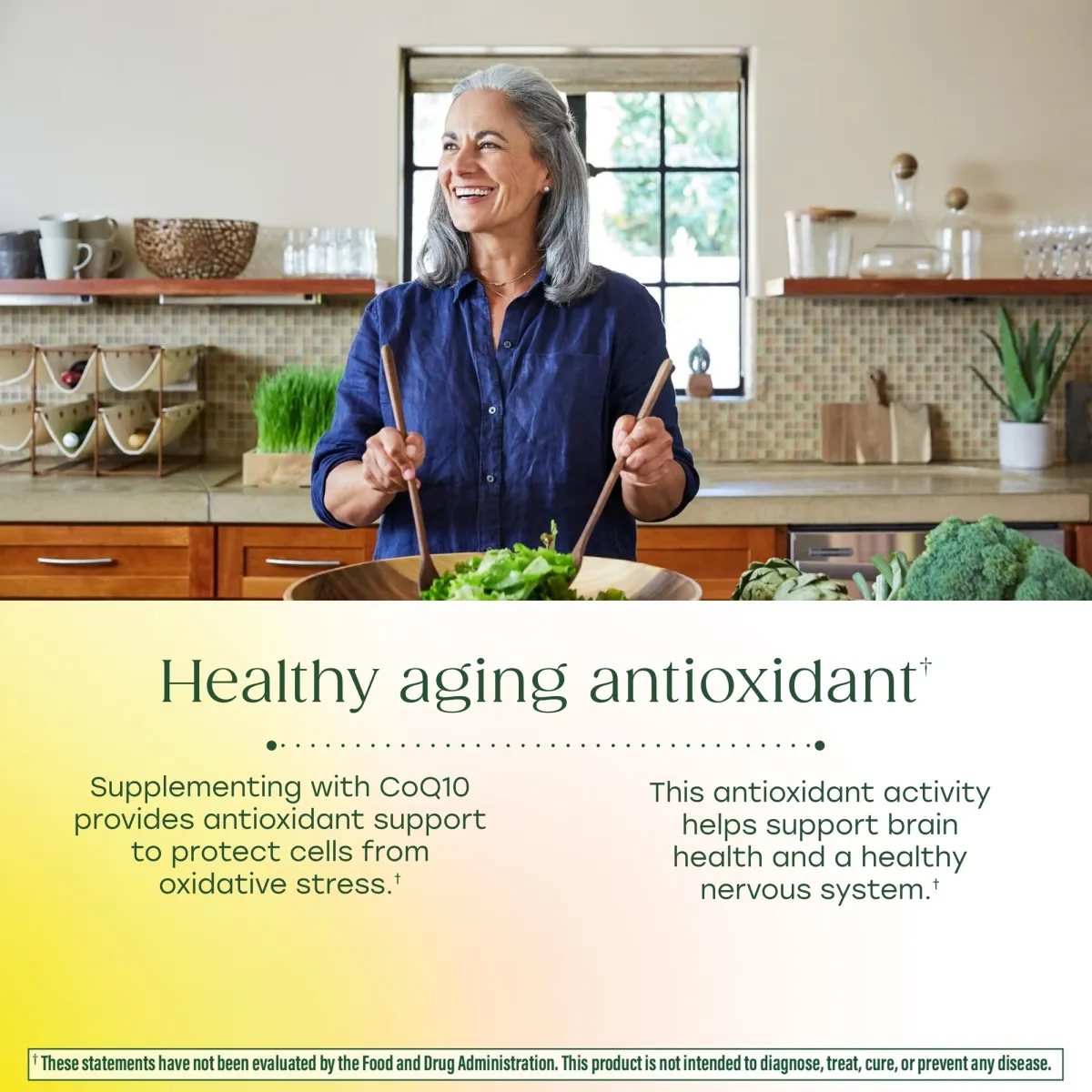
CoQ10 is a naturally occurring compound found throughout the body. It plays an important role in helping our cells produce energy while also acting as an antioxidant that helps protect cells from oxidative stress.
What Is CoQ10?
CoQ10 is concentrated in organs that require large amounts of energy, including the heart, liver, kidneys, and muscles.
Inside our cells, CoQ10 participates in the production of adenosine triphosphate (ATP)—the primary form of energy used by the body. ATP is the fuel your cells use to carry out their everyday functions.
Our bodies naturally produce CoQ10, but levels may decline with age. Certain health conditions, nutritional factors, and medications may also influence CoQ10 status.
Potential Benefits of CoQ10
Supports Cellular Energy
Because CoQ10 plays a central role in mitochondrial energy production, maintaining adequate levels may help support normal energy metabolism and physical function.
For individuals experiencing persistent fatigue, it is important to remember that low energy can have many causes. Rather than simply adding a supplement, identifying factors such as nutrient deficiencies, hormonal imbalance, poor sleep, metabolic dysfunction, or chronic stress may provide a clearer path forward.

Supports Cardiovascular Health
The heart has exceptionally high energy requirements, which is one reason CoQ10 has been extensively studied in relation to cardiovascular wellness.
Research suggests that CoQ10 supplementation may provide supportive benefits for certain individuals with cardiovascular concerns when used alongside appropriate medical care. It is not a substitute for prescribed medications or treatment, but it may be considered as part of a broader, individualized wellness plan.
Provides Antioxidant Support
Normal metabolism creates reactive molecules known as free radicals. When the body's antioxidant defenses cannot adequately balance them, oxidative stress can occur.
CoQ10 functions as an antioxidant and helps protect cellular membranes and other structures from oxidative damage. Supporting the body's antioxidant systems is one component of promoting long-term cellular health.
May Support Healthy Aging
As we age, both mitochondrial efficiency and natural CoQ10 production can decline.
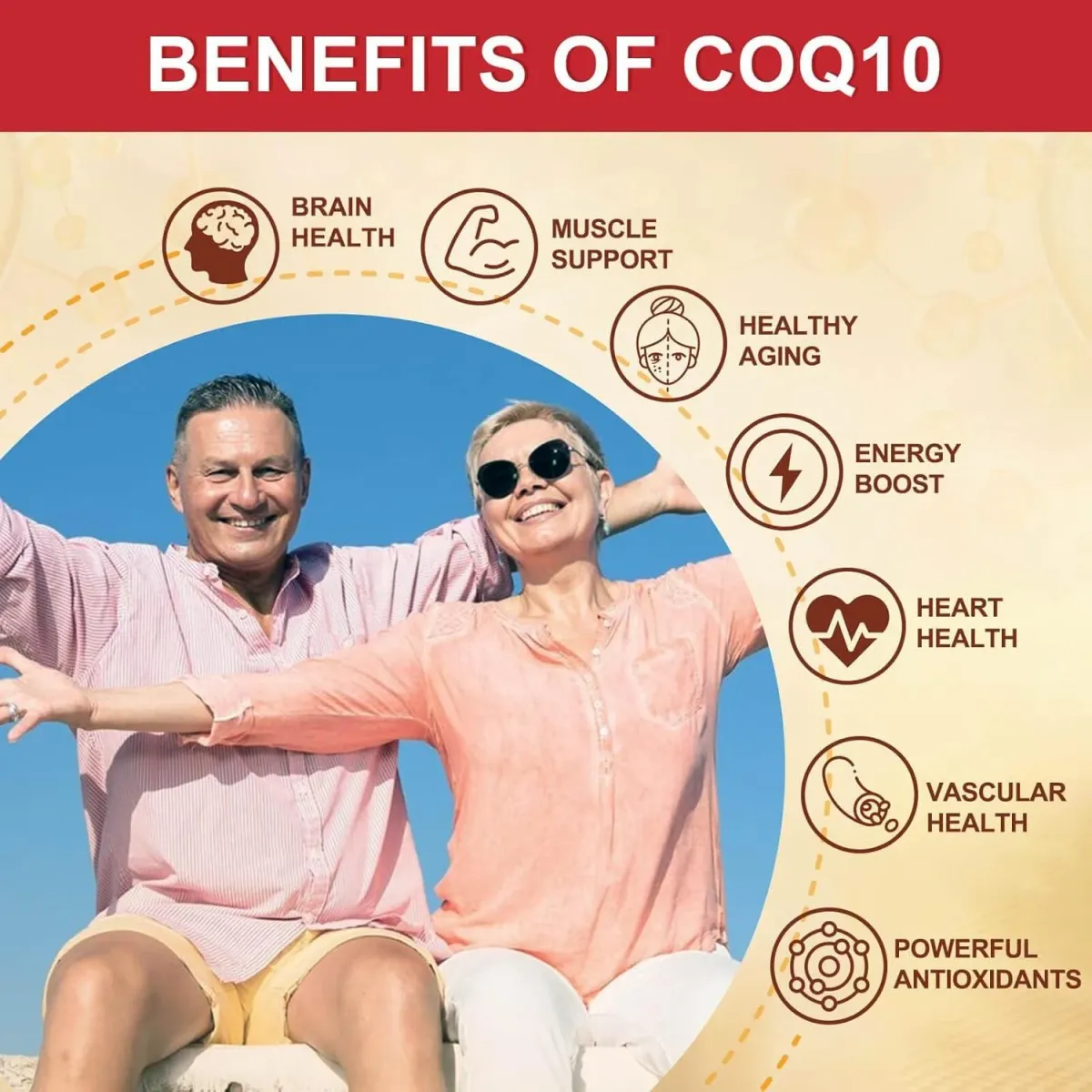
Because CoQ10 contributes to cellular energy production and antioxidant protection, researchers continue to investigate its role in maintaining healthy function with age. Healthy aging, however, depends on much more than one nutrient—it also includes nutrition, exercise, sleep, stress management, hormone balance, metabolic health, and other individualized factors.
CoQ10 and Statin Medications
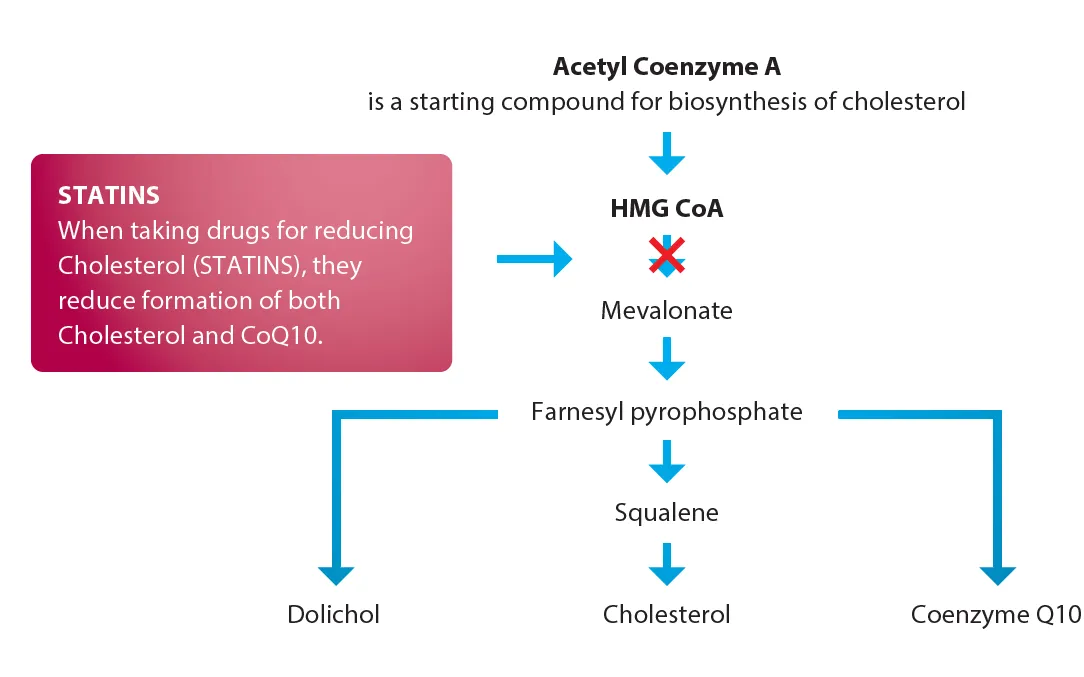
Statins are commonly prescribed to help lower cholesterol and reduce cardiovascular risk. Because cholesterol and CoQ10 share part of the same biochemical production pathway, statin therapy may also reduce circulating CoQ10 levels.
Some individuals taking statins experience muscle-related symptoms, and CoQ10 is sometimes considered as a supportive strategy. Research regarding its effectiveness for statin-associated muscle symptoms remains mixed, so supplementation should be individualized rather than automatically recommended for everyone taking a statin.
Never stop or change a cholesterol medication without speaking with your healthcare provider.
Where Can You Get CoQ10?
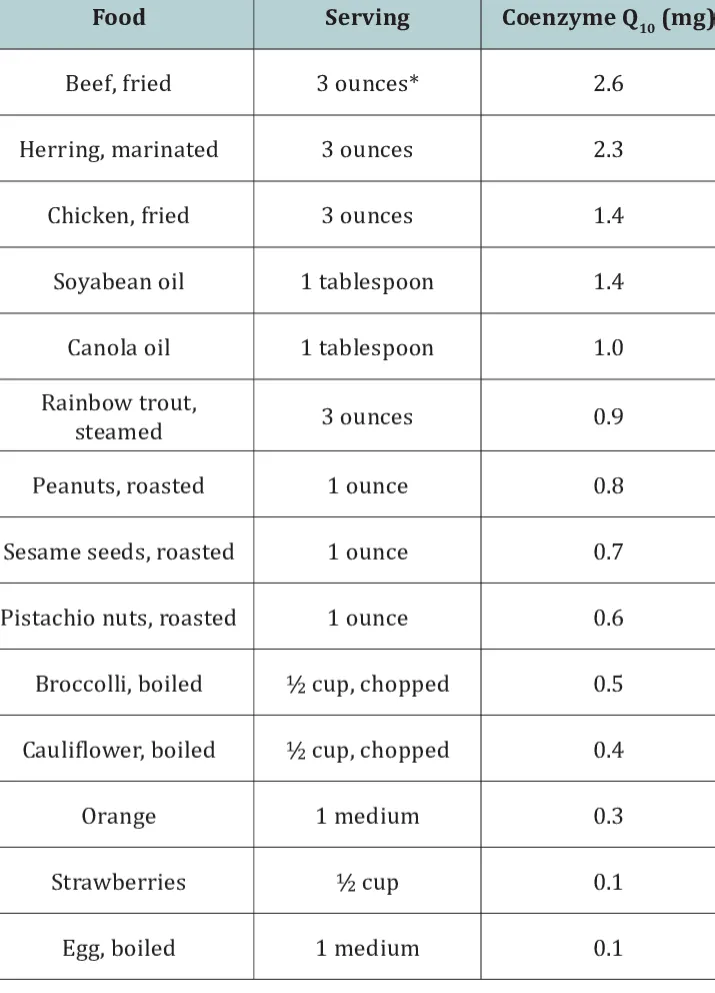
The body produces most of the CoQ10 it needs, but smaller amounts are also obtained through food.
Dietary sources include:
Organ meats such as liver and heart
Fatty fish such as sardines and mackerel
Meat and poultry
Nuts and seeds
Certain vegetables, including broccoli and spinach
CoQ10 is also available as a dietary supplement.
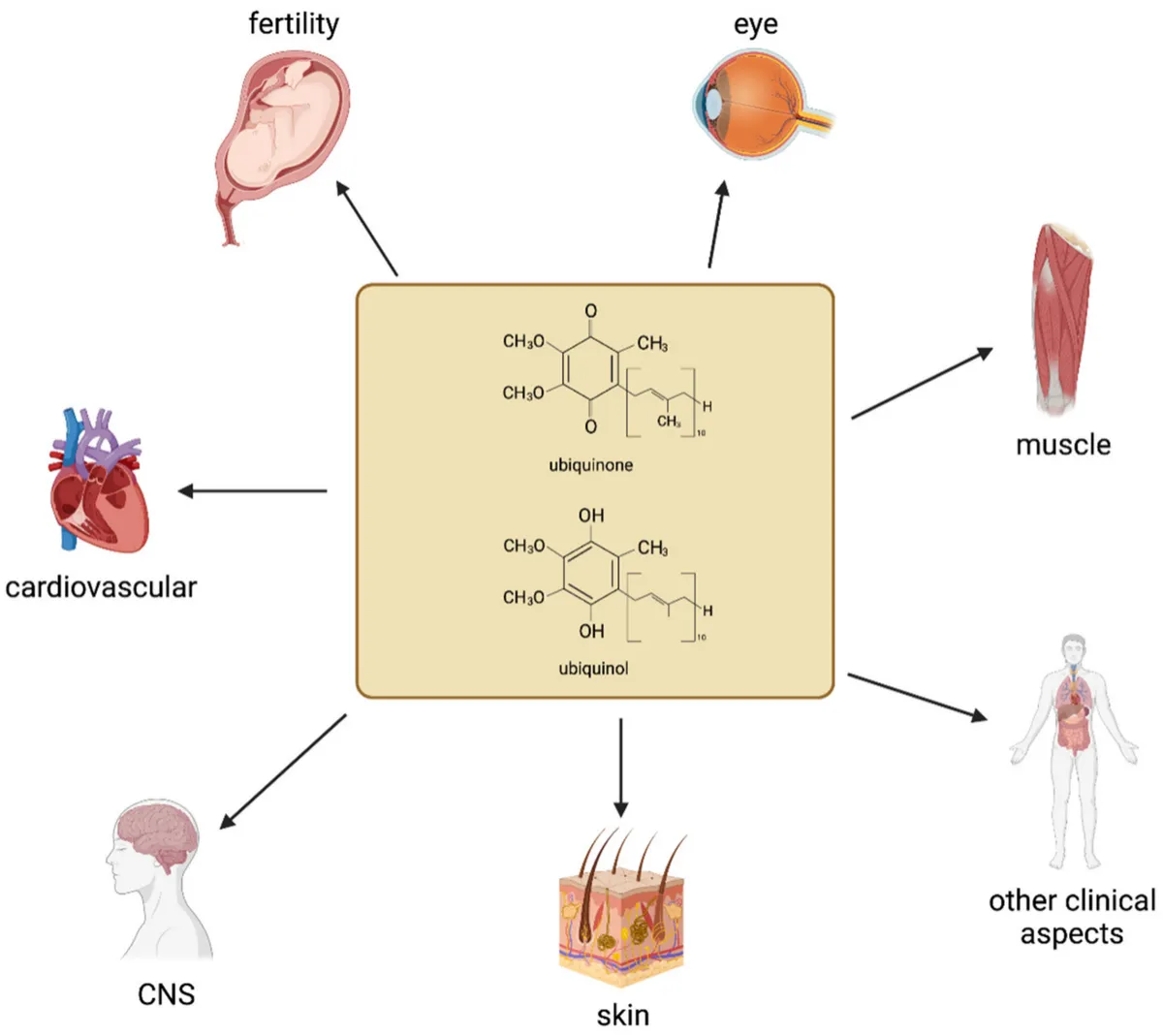
Two common supplemental forms are ubiquinone and ubiquinol. Ubiquinol is the reduced form of CoQ10 and may have greater bioavailability in some individuals, particularly older adults, although the best form and dose depend on the individual.
Because CoQ10 is fat-soluble, supplements are generally better absorbed when taken with a meal containing some dietary fat.
Is CoQ10 Right for Everyone?
Not necessarily.
Although CoQ10 is generally well tolerated, supplements can still interact with medications and may not be appropriate in every situation. Particular caution may be needed for people taking medications that affect blood pressure, blood glucose, or blood clotting, as well as individuals who are pregnant, breastfeeding, undergoing treatment for a medical condition, or preparing for surgery.
The quality and dosage of supplements can also vary considerably.
That's why we encourage patients to ask a different question. Instead of “Should I take CoQ10?”, ask “Does CoQ10 make sense for my body, my medications, my health concerns, and my overall treatment plan?”
This article is intended for educational purposes only and does not replace individualized medical advice, diagnosis, or treatment. Always consult a qualified healthcare professional before starting, stopping, or changing medications or dietary supplements.
Your Health. Your Story. A Personalized Path Forward.
You do not have to navigate persistent health concerns alone. Our goal is to help you better understand your health, identify meaningful next steps, and develop a care plan designed around you.
Ready to get started?
Schedule a Discovery Call to learn more about our approach and determine the best next step for your health journey.
Affiliations



Stay Connected With Us!


©Path 2 Health and Wellness SC 2026