Ashwagandha: An Ancient Herb for Modern Stress and Wellness

Feeling constantly stressed, mentally drained, or struggling to get restorative sleep? While lifestyle, nutrition, hormones, and underlying health conditions can all play a role, certain herbal supplements have gained attention for their potential to support the body’s response to stress.
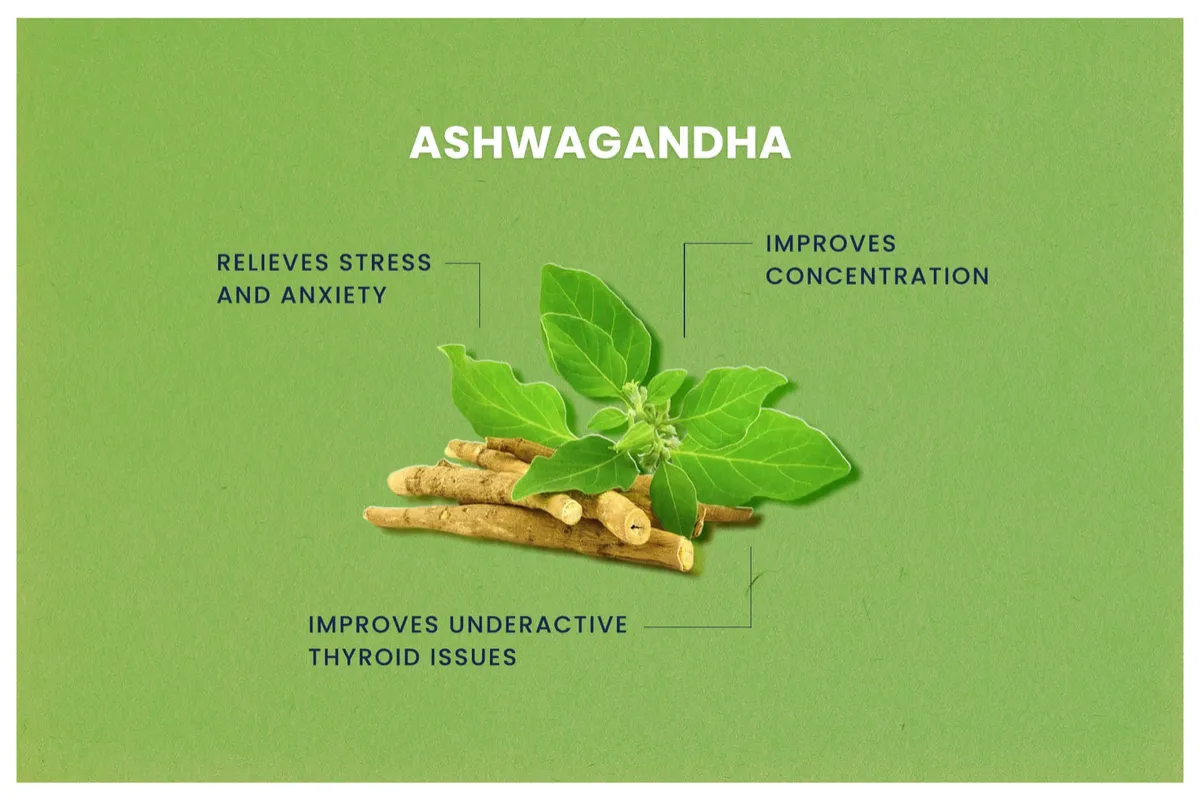
One of the most popular is ashwagandha (Withania somnifera), an herb that has been used for centuries in traditional Ayurvedic medicine.
Today, ashwagandha is commonly described as an adaptogen—a term used for substances believed to help the body adapt to physical and psychological stress. Modern research is beginning to explore whether this traditional herb may offer measurable benefits for stress, sleep, and overall well-being.
What Is Ashwagandha?
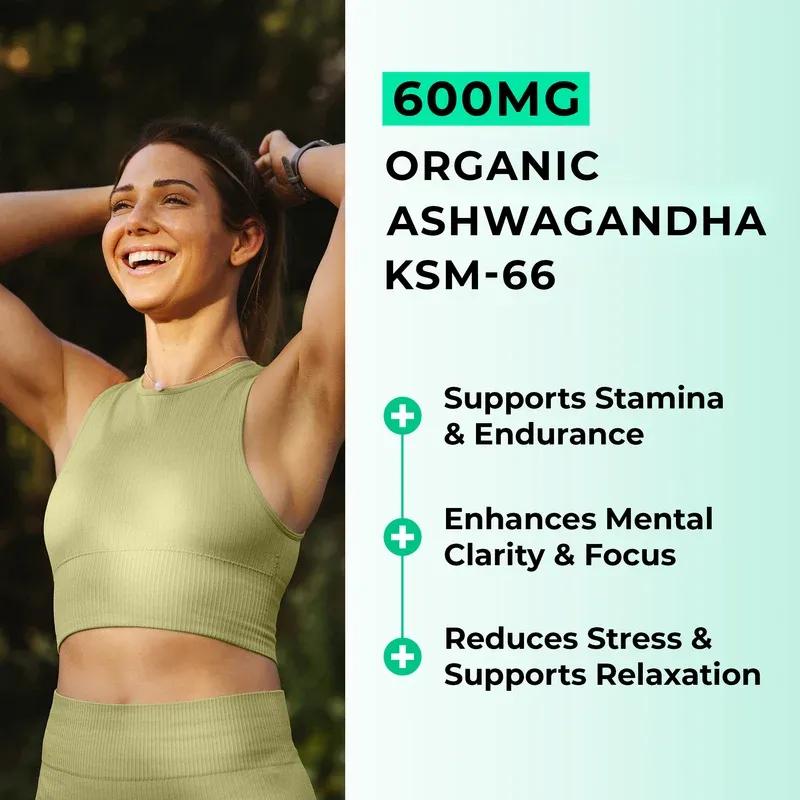
Ashwagandha is an evergreen shrub traditionally used in Ayurvedic medicine. Its roots and leaves contain several naturally occurring compounds, including a group known as withanolides, which have been studied for their potential biological effects.
Most modern supplements contain either ashwagandha root extract or a combination of root and leaf extracts.
Although ashwagandha is sometimes called “Indian ginseng,” it is not actually part of the ginseng family.

How May Ashwagandha Support Wellness?
Supporting a Healthy Response to Stress
Stress is a normal physiological response. But when stress becomes persistent, it can affect sleep, mood, digestion, energy, concentration, and overall quality of life.
Ashwagandha has been studied primarily for its potential ability to help people manage perceived stress.
Several clinical studies suggest that certain standardized ashwagandha extracts may reduce measures of perceived stress and may influence cortisol, one of the hormones involved in the body's stress response.
A 2024 systematic review and meta-analysis of nine randomized controlled trials involving 558 participants found improvements in perceived stress scores, anxiety measures, and cortisol compared with placebo. However, researchers emphasized the need for additional evidence, particularly regarding long-term use.
Think of ashwagandha as a potential supportive tool—not a replacement for identifying and addressing the underlying sources of chronic stress.
Supporting Better Sleep
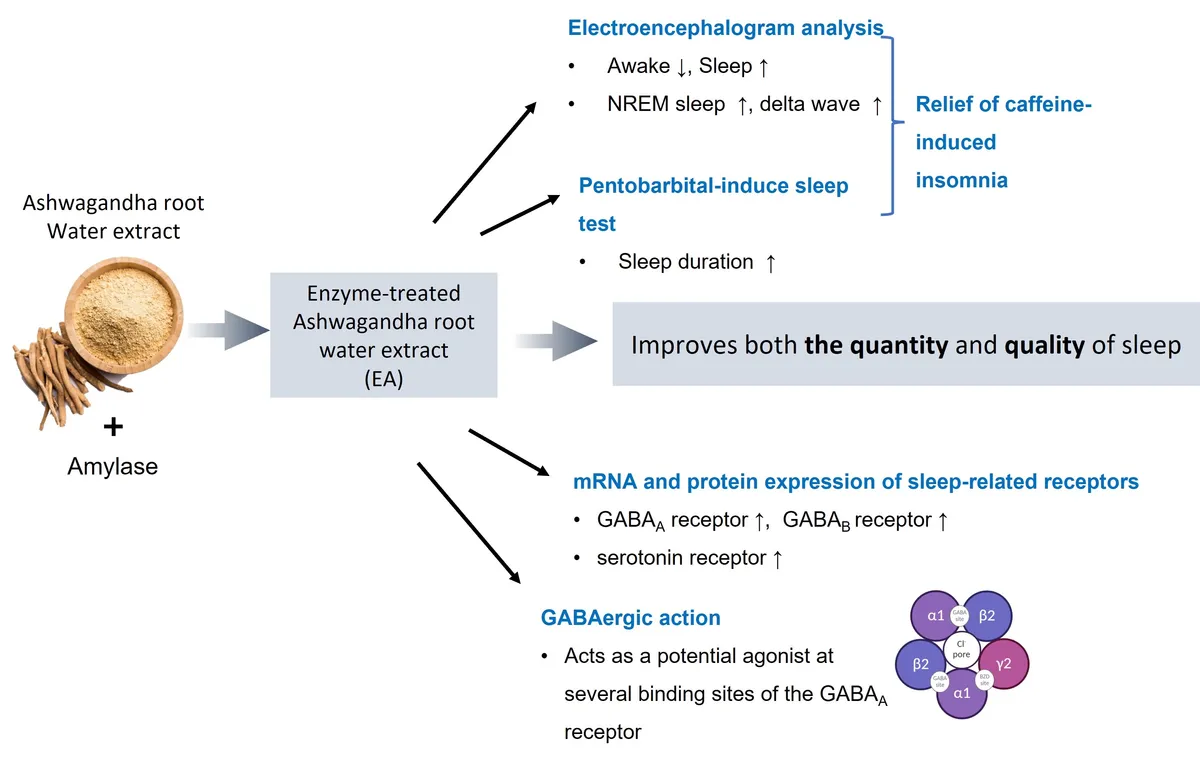
Ashwagandha may also have a role in supporting sleep quality.
Small clinical studies suggest that some individuals taking ashwagandha may experience improvements in:
1. Falling asleep more easily
2. Sleeping for longer periods
3. Experiencing fewer nighttime awakenings
4. Overall perceived sleep quality
The benefits observed in research have generally been modest, and results can vary depending on the extract, dose, duration of use, and individual health factors.
Good sleep still begins with addressing factors such as stress, circadian rhythm, nutrition, hormones, medications, sleep environment, and underlying medical conditions.
Stress, Mood, and Mental Well-Being
Because chronic stress can influence mood and emotional well-being, researchers have also investigated ashwagandha for anxiety-related symptoms.
Some research has shown encouraging results, but the evidence is not yet strong enough to consider ashwagandha a treatment for an anxiety disorder. The National Center for Complementary and Integrative Health notes that evidence for stress and insomnia is more established than evidence for anxiety specifically.
Anyone experiencing persistent anxiety, depression, panic attacks, or significant changes in mood should seek appropriate professional evaluation rather than relying solely on supplements.
Energy and Physical Performance
Ashwagandha is frequently marketed for energy, exercise performance, strength, and recovery.
While preliminary research has explored these areas, the evidence remains less established than it is for stress and sleep. More high-quality research is needed before firm conclusions can be made regarding athletic performance or energy enhancement.
Fatigue can also have many underlying causes—including inadequate sleep, nutrient deficiencies, thyroid dysfunction, metabolic concerns, hormonal changes, chronic illness, medications, and prolonged stress.
That is why persistent fatigue deserves a deeper look.
Is Ashwagandha Safe?
“Natural” does not automatically mean appropriate for everyone.
Ashwagandha appears to be reasonably well tolerated by many adults when used short term, generally up to about three months, but its long-term safety has not been well established.
Possible side effects can include:
1. Stomach upset
2. Nausea
3. Loose stools or diarrhea
4. Drowsiness
5. Vomiting in some individuals
Rare cases of liver injury associated with ashwagandha-containing supplements have also been reported. Ashwagandha may additionally influence thyroid function, making professional guidance particularly important for people with thyroid disorders.
Who Should Be Especially Cautious?
Talk with a qualified healthcare professional before using ashwagandha, particularly if you:
1. Are pregnant or breastfeeding
2. Have a thyroid condition
3. Have an autoimmune disorder
4. Have liver disease or a history of liver problems
5. Have hormone-sensitive prostate cancer
6. Are preparing for surgery
7. Take medications for diabetes or high blood pressure
8. Take thyroid hormone replacement
9. Take sedatives or anti-seizure medications
10. Take immunosuppressant medications
Ashwagandha can potentially interact with medications and may not be appropriate for every health condition.
Not All Ashwagandha Supplements Are the Same
Another important consideration is product quality.
Ashwagandha products may differ considerably in:
1. Plant part used
2. Extraction method
3. Concentration
4. Withanolide content
5. Recommended dosage
6. Additional ingredients
7. Manufacturing and quality-control standards
This makes it difficult to assume that every ashwagandha product will produce the same effects seen in clinical studies.
Choosing supplements should therefore involve more than simply selecting the most popular product on the shelf.

Should You Take Ashwagandha?
Ashwagandha may be a useful addition to a personalized wellness plan for some individuals—particularly when stress or sleep concerns are present—but it is not a universal solution.
At Path 2 Health & Wellness, we believe supplements are most helpful when they are used intentionally and within the context of the whole person.
Before simply asking:
“What supplement should I take?”
we encourage asking:
“Why am I experiencing these symptoms in the first place?”
Persistent fatigue, poor sleep, difficulty handling stress, brain fog, or changes in mood may involve multiple interconnected factors, including nutrition, hormones, metabolic health, lifestyle, medications, gut health, and other underlying conditions.
A personalized approach allows us to look beyond individual symptoms and consider the broader picture.
Ashwagandha is an exciting example of how traditional herbal practices and modern research can intersect. Current evidence suggests potential benefits for stress and sleep, but it should not be viewed as a cure-all—and more research is still needed to understand its long-term effectiveness and safety.
If you're wondering whether ashwagandha or other nutritional and herbal supplements may be appropriate for you, professional guidance can help you make choices based on your individual health history, medications, laboratory findings, symptoms, and wellness goals.
At Path 2 Health & Wellness, our goal is not simply to manage symptoms. We work to understand your health story and develop a personalized path toward better health and well-being.
Ready to take the next step?
Schedule a consultation with Path 2 Health & Wellness and discover a more personalized approach to your health.
This article is intended for educational purposes only and does not replace individualized medical advice, diagnosis, or treatment. Always consult a qualified healthcare professional before starting, stopping, or changing medications or dietary supplements.
Your Health. Your Story. A Personalized Path Forward.
You do not have to navigate persistent health concerns alone. Our goal is to help you better understand your health, identify meaningful next steps, and develop a care plan designed around you.
Ready to get started?
Schedule a Discovery Call to learn more about our approach and determine the best next step for your health journey.
Affiliations






Stay Connected With Us!


©Path 2 Health and Wellness SC 2026