Lion’s Mane Mushroom: A Natural Ally for Brain Health, Focus, and Well-Being
Have you ever wished for better focus, sharper memory, or a little more mental clarity throughout your day?
Lion’s Mane Mushroom (Hericium erinaceus) is a unique edible mushroom that has gained attention in the wellness community for its potential role in supporting brain health, cognitive function, mood, and overall well-being.
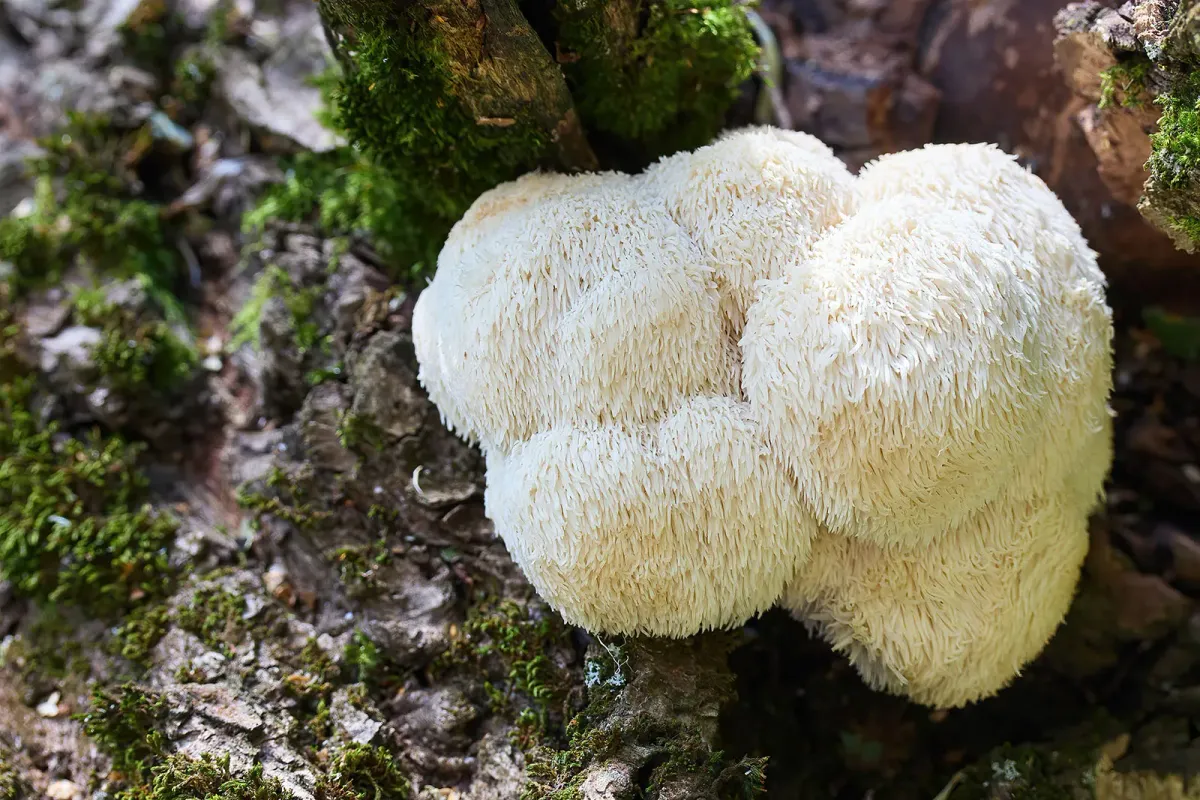
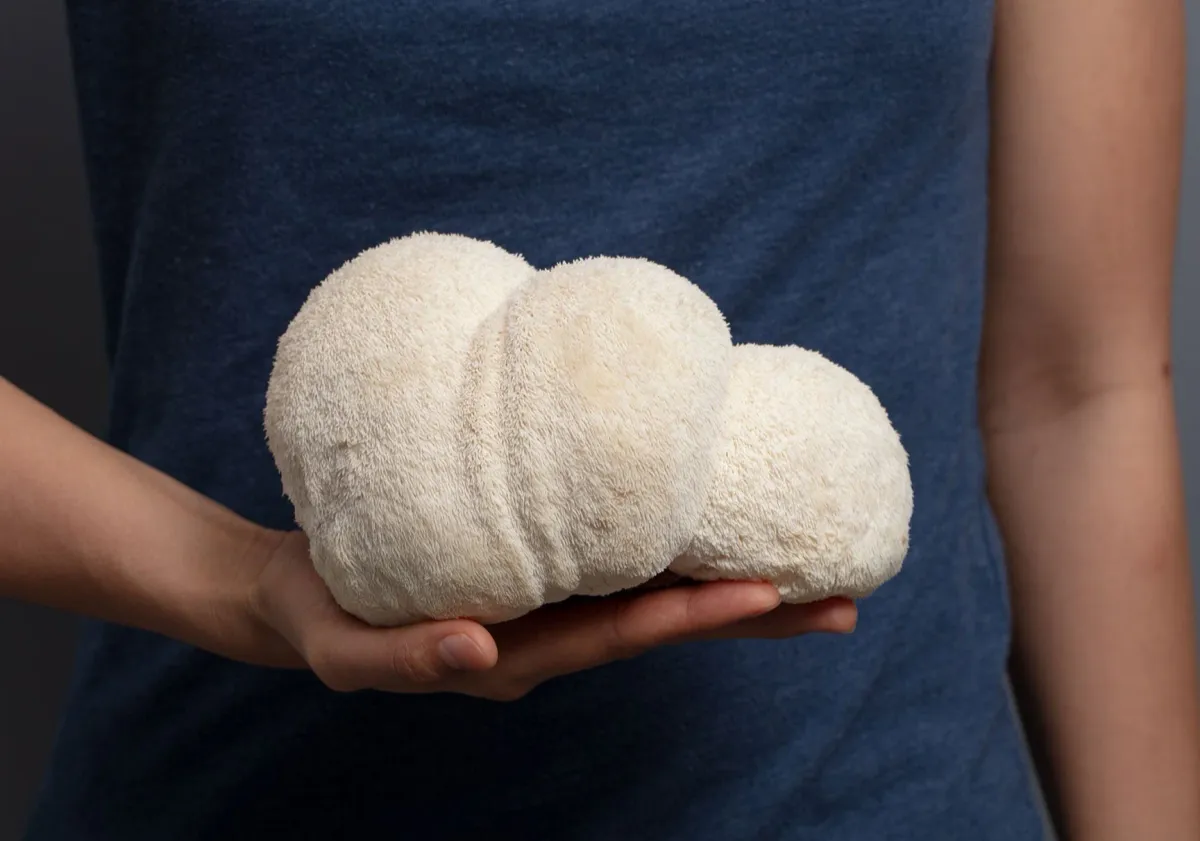
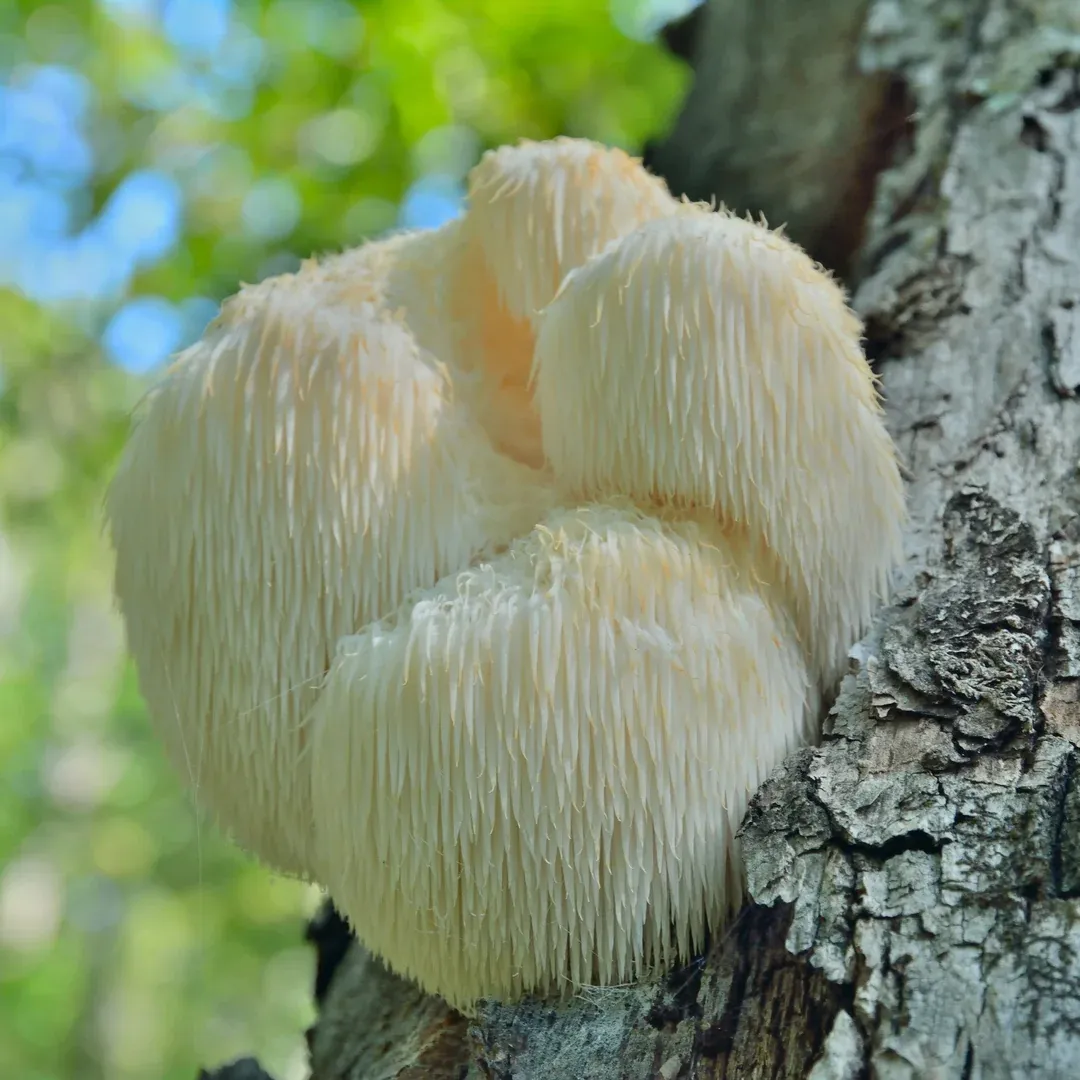
Recognizable by its long, white, cascading strands that resemble a lion’s mane, this mushroom has been used traditionally in East Asian medicine and cuisine for centuries. Today, it is commonly available as fresh or dried mushroom, powder, capsules, teas, and concentrated extracts.
While Lion’s Mane is often promoted as a “brain mushroom,” the science is still developing. Early human studies are encouraging, but it is important to understand both its potential and its limitations.
What Makes Lion’s Mane Unique?
Lion’s Mane contains several naturally occurring compounds, including hericenones, erinacines, polysaccharides, and other bioactive substances.
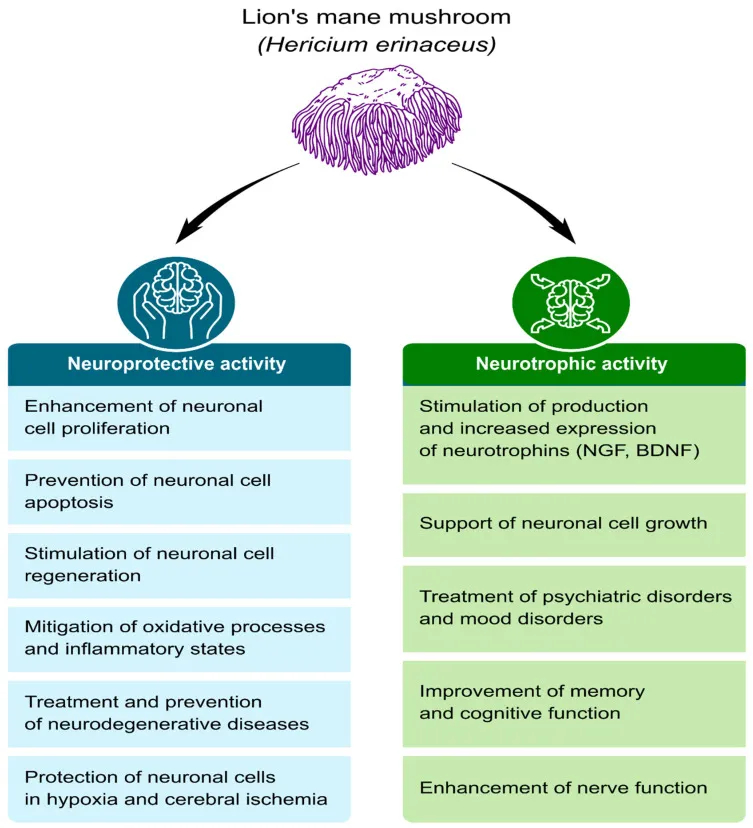
Laboratory and preclinical research suggests that some of these compounds may influence pathways involved in nerve growth factor (NGF) and neuronal health. NGF is a protein involved in the growth, maintenance, and survival of certain nerve cells.
These findings have created interest in Lion’s Mane as a potential nutritional tool for supporting the nervous system, although much of the mechanistic evidence currently comes from laboratory and animal research rather than large human clinical trials.
Potential Benefits of Lion’s Mane
May Support Memory and Cognitive Function
One of the most researched areas surrounding Lion’s Mane is its possible effect on cognition.
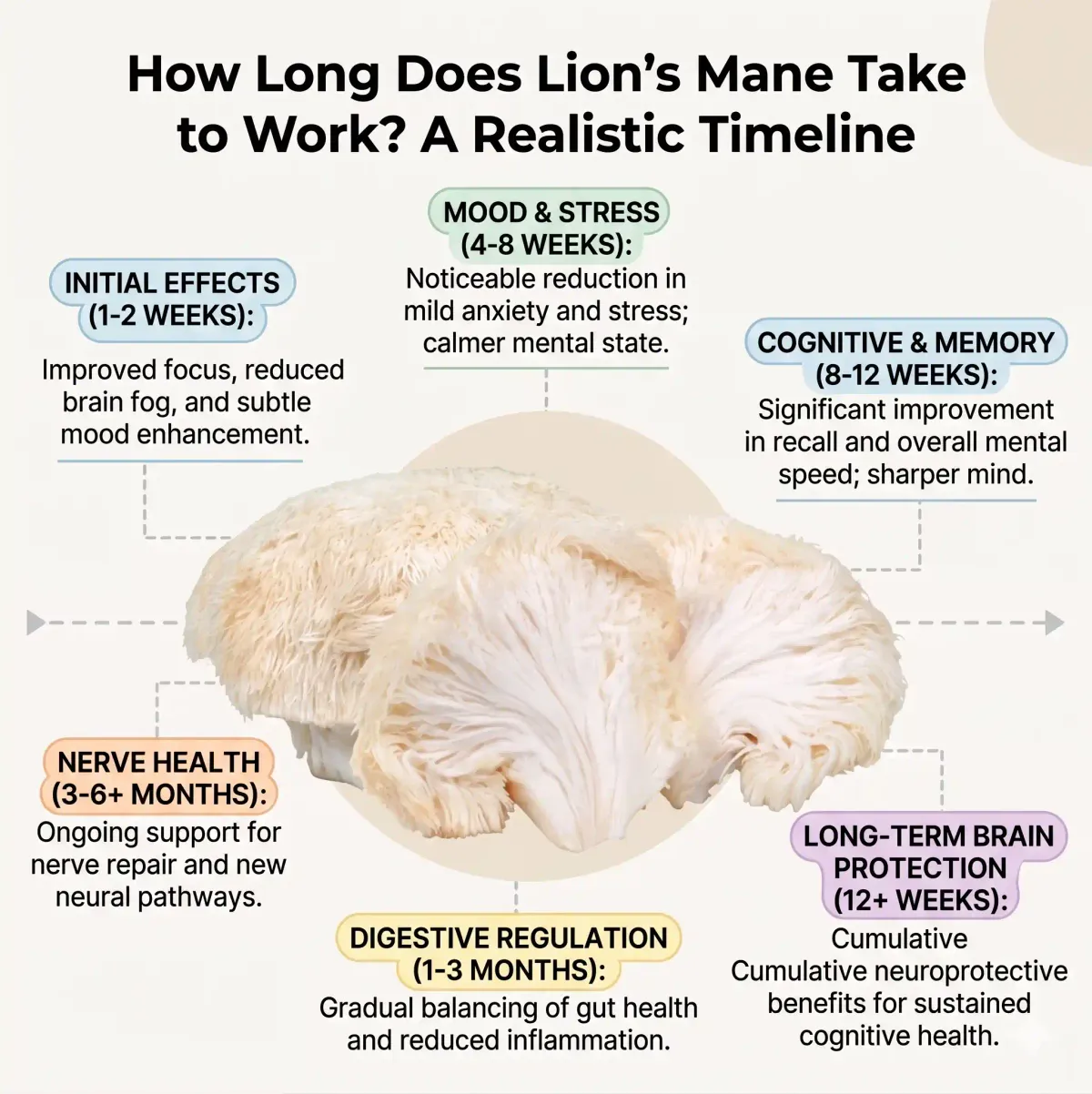
Small clinical studies have reported improvements in certain measures of cognitive function among older adults and individuals experiencing mild cognitive impairment. A recent systematic review also identified encouraging cognitive findings across several clinical studies, although the available research remains relatively limited.
Lion’s Mane should not be considered a treatment for dementia or other neurological disorders, but ongoing research is exploring whether its bioactive compounds may have a role in supporting healthy brain aging.
May Help Support Focus and Mental Clarity
Brain fog, difficulty concentrating, and mental fatigue can have many causes—including poor sleep, stress, nutritional deficiencies, medications, hormonal changes, and underlying medical conditions.
Because Lion’s Mane is being studied for its effects on neuronal health and cognition, some people use it to support focus, concentration, and mental performance.
However, responses can vary, and taking a supplement should never replace identifying the underlying reason for persistent brain fog or cognitive changes.

May Support Mood and Stress Resilience
Lion’s Mane is also being investigated for its potential effects on emotional wellness.
Limited clinical research has suggested possible improvements in mood and subjective stress in certain populations. While these results are promising, larger and better-controlled studies are still needed before Lion’s Mane can be recommended as a treatment for anxiety, depression, or other mental health conditions.
Think of Lion’s Mane as a potential supportive wellness tool, not a replacement for appropriate mental health care.

May Support Nervous System Health
Perhaps one of the most fascinating areas of Lion’s Mane research involves its potential neuroprotective properties.
Preclinical research suggests that compounds found in Lion’s Mane may influence pathways involved in nerve growth, neuroinflammation, and neuronal signaling. These findings have generated research interest in conditions involving the nervous system.
However, laboratory findings do not automatically translate into proven benefits in humans, so more clinical research is needed.

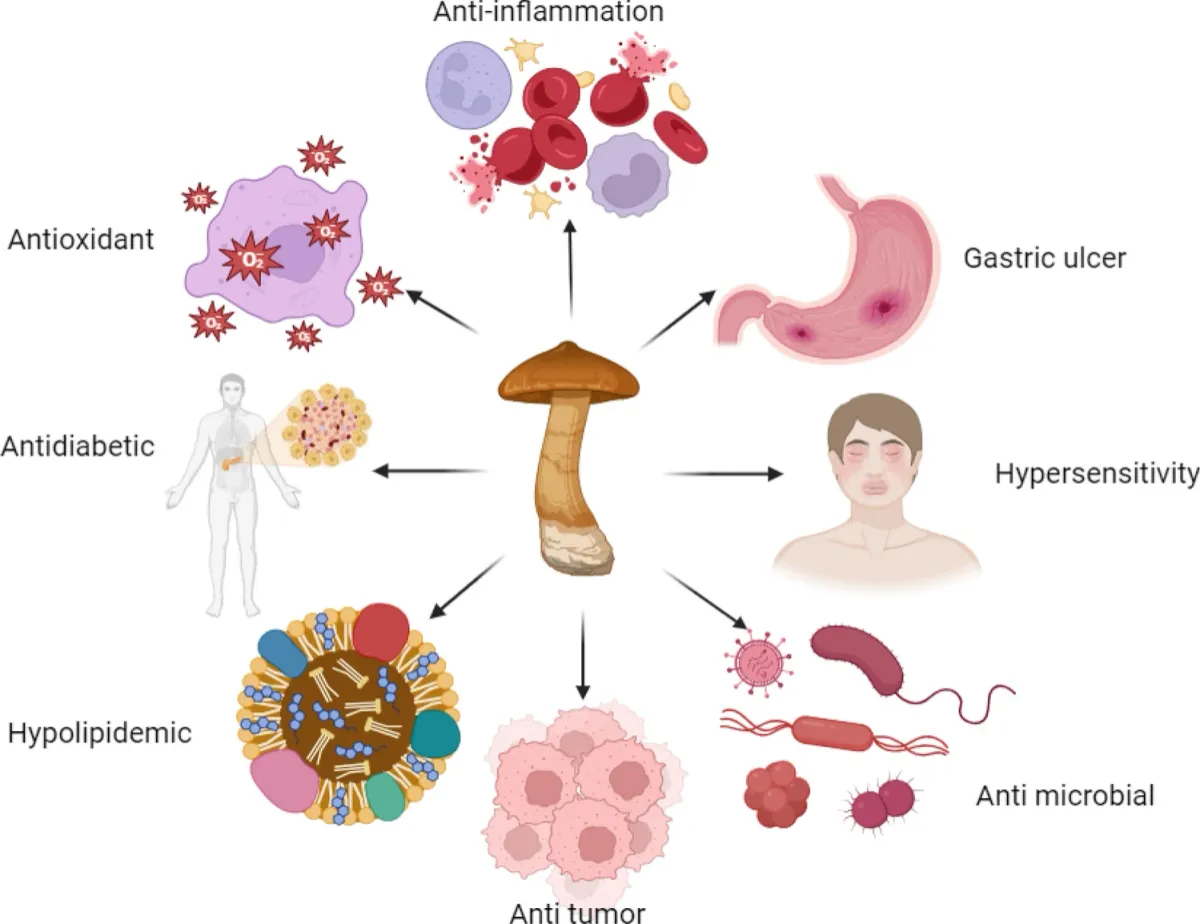
May Have Antioxidant and Anti-Inflammatory Properties
Lion’s Mane contains naturally occurring compounds that have demonstrated antioxidant and anti-inflammatory activity in laboratory studies.
Oxidative stress and chronic inflammation are involved in many aspects of aging and chronic disease. Supporting the body through nutritious food, regular exercise, quality sleep, stress management, and appropriate medical care remains far more important than relying on a single supplement.
Lion’s Mane may simply be one component of that larger wellness strategy.
May Influence Gut Health
Emerging research also suggests that Lion’s Mane may interact with the gut microbiome.
Some studies have observed changes in microbial diversity and short-chain fatty-acid-producing bacteria following Lion’s Mane supplementation. Researchers are continuing to investigate the connection between these effects and the increasingly recognized gut-brain axis.
This area of research is still young, so claims that Lion’s Mane can “heal the gut” should be viewed cautiously.
How Is Lion’s Mane Taken?
Lion’s Mane can be consumed as food or found in supplements such as:
1. Capsules or tablets
2. Mushroom powders
3. Liquid extracts or tinctures
4. Functional coffee or beverage blends
5. Teas
6. Fresh or dried culinary mushrooms
There is currently no universally established medical dose of Lion’s Mane.
Supplement formulations can also vary significantly in their concentration, extraction method, fruiting-body versus mycelium content, and levels of active compounds. This means two products labeled “Lion’s Mane” may not necessarily provide the same composition or effect.
When choosing a supplement, quality and third-party testing are important considerations.
Is Lion’s Mane Safe?
Lion’s Mane is generally considered well tolerated when consumed as a food. Clinical studies involving supplements have reported side effects such as:
1. Abdominal discomfort
2. Nausea
3. Skin rash
People with mushroom allergies should also use caution.
Because dietary supplements can interact with medications or may not be appropriate for every medical condition, it is important to discuss their use with a qualified healthcare professional—particularly if you:
1. Take prescription medications
2. Have a chronic health condition
3. Have an autoimmune or immune-related disorder
4. Are receiving cancer treatment
5. Are pregnant or breastfeeding
6. Are considering giving supplements to a child
Dietary supplements are not evaluated in the same way as prescription medications before reaching the market, and product quality and potency can differ considerably between manufacturers.
The Bottom Line
Lion’s Mane Mushroom is an intriguing functional food with growing scientific interest, particularly for its potential effects on cognition, memory, mood, nervous system health, and the gut-brain connection.
But “natural” does not automatically mean effective—or appropriate for everyone.
Current research is promising, but human studies remain relatively small, and Lion’s Mane should not be viewed as a cure for memory loss, dementia, depression, anxiety, or other medical conditions.
At Path 2 Health & Wellness, we believe supplements work best when they are considered within the bigger picture of your health—your symptoms, medications, nutrition, sleep, stress, lifestyle, laboratory findings, and individual health goals.
Rather than simply asking, “What supplement should I take?”, we help you explore the more important question:
“What does my body need, and why?”
If you’re curious about Lion’s Mane or other nutritional supplements and want to know whether they may fit into your personalized wellness plan, we’re here to help you take a thoughtful, informed approach.
This article is intended for educational purposes only and does not replace individualized medical advice, diagnosis, or treatment. Always consult a qualified healthcare professional before starting, stopping, or changing medications or dietary supplements.
Your Health. Your Story. A Personalized Path Forward.
You do not have to navigate persistent health concerns alone. Our goal is to help you better understand your health, identify meaningful next steps, and develop a care plan designed around you.
Ready to get started?
Schedule a Discovery Call to learn more about our approach and determine the best next step for your health journey.
Affiliations





Stay Connected With Us!


©Path 2 Health and Wellness SC 2026