
Conditions Treated
You're likely wondering...
"Why am I having this health condition in the first place?
The beauty of the functional medicine approach is that it is applicable to a wide range of conditions and diseases. It is safe, effective, and beneficial to those who want to achieve an improved state of health and prevent future illness, as well as those who are suffering from a chronic condition and taking multiple medications.
The clinical approach of functional medicine is to search for the root cause of the disease or condition. The clinician is always asking “why did this symptom start?” and “why now?” and "What else is contributing?". Causes of any disease could be nutrient imbalances, hormonal disruption, poor metabolic health, unfavorable gut health, environmental toxins, inadequate sleep, chronic stress, suboptimal diet, inappropriate or inadequate exercise, chronic infections or a combination of a few of these. Two people may be diagnosed with the same disease, but the cause is often different in each case. Therefor, each of their treatment plans would be different as well. Searching for the person's individual root cause, and creating a holistic treatment plan, makes the functional medicine approach so effective for such a variety of conditions.
Below is a basic list to give you some idea of the conditions routinely seen and how they are viewed within a sytems biology-based model within functional medicine.
The list is not exhaustive and the summaries are brief. It is intended to provide an overview of some conditions treated by a Functional Medicine provider.
Our holistic Approach
Root-Cause Care, Not Just Symptom Management
At Path 2 Health and Wellness, led by Dr. Julie Heyrman, MD, we are committed to an integrative and functional medicine approach that looks beyond isolated symptoms to understand why health concerns develop in the first place. Rather than applying one-size-fits-all solutions, we partner with patients to explore how body systems interact and how lifestyle, environment, and physiology contribute to overall health. How Functional Medicine Is Different
Functional medicine is a personalized, systems-based model of care that focuses on identifying underlying contributors to illness. Instead of managing symptoms in isolation, this approach considers the whole person—medical history, lifestyle, environment, genetics, and metabolic function—to create a care plan tailored to your unique needs.
By using advanced assessments, detailed history-taking, and thoughtful follow-up, this model allows for deeper insight, more meaningful education, and long-term support. The goal is to help restore balance, optimize function, and support lasting wellness, vitality, and healthy longevity through an integrative, evidence-informed approach.
Wellness & Preventive Health Support
Rather than waiting for disease to develop or progress, a functional medicine approach focuses on understanding how lifestyle, metabolic balance, immune function, and environmental exposures influence long-term health. At Path 2 Health and Wellness, led by Dr. Julie Heyrman, MD, care emphasizes proactive assessment, early identification of imbalances, and personalized strategies designed to support optimal function, resilience, and healthy longevity—helping patients stay well, not just manage illness.
Improved sleep
Improved focus
Improved ability to handle stress
Increased physical performance
Increased mental clarity
Weight Loss
Increased energy

Gut Health as the Foundation of Whole-Body Wellness
Gastrointestinal Disorders: Hippocrates once said “all disease begins in the gut”, we are now seeing how true this statement really is. There are many foundational systems that depend on good gut health to function well. For instance, 80% of an individual’s immune system is found in the GI tract, and up to 90% of serotonin is produced there as well. Therefore, we often see that poor gut health complicates and worsens other conditions including mental health disorders, immune dysregulation, hormone dysregulation, among others. We absorb nutrients in our gut, if our gut is inflamed or not functioning properly, key minerals and vitamins will not be absorbed and utilized. We need these key cofactors for basic biochemical processes in our body.
Through a functional medicine approach, Path 2 Health and Wellness, led by Dr. Julie Heyrman, MD, evaluates gut function and the microbiome to better understand how imbalances may contribute to systemic symptoms. Supporting gut health is often a foundational step in creating a personalized plan that promotes improved function, resilience, and overall well-being.
For this reason, just about all our patients undergo a thorough GI evaluation. The tests that are commonly used to workup and treat gut health may include a stool analysis, breath test, and organic acid profile. Due to the interactions of the GI tract with multiple other systems in the body, most functional evaluations and treatments are foundationally anchored with the health of the gut. If the gut is not functioning properly, it is more difficult to achieve wellness within other bodily systems.
GERD, Inflammatory Bowel Disease
Irritable Bowel Syndrome
Food Allergies / Intolerances
Yeast Overgrowth
Eosinophilic Esophagitis
Small Intestinal Bowel Overgrowth

Skin Conditions
Skin is the largest organ in the body. As physicians we look for clues in the skin when evaluating internal disease. So it’s no surprise that oftentimes treating the skin means uncovering and treating root causes of inflammation, imbalance and nutrient deficiencies.
Therefore, evaluating hydration, gut health, hormone health, and nutrition, as well as stress and sleep habits are foundational to the treatment plan.
Eczema
Psoriasis
Dermatitis
Allergies

Immune Balance & Autoimmune Support
The immune system plays a central role in overall health and is closely connected to mental well-being, hormonal regulation, cardiovascular health, and the body’s ability to repair and regenerate. Today, approximately 1 in 12 people in the United States lives with an autoimmune condition, making it one of the fastest-growing categories of chronic illness.
Autoimmune diseases occur when the immune system loses its ability to distinguish between self and non-self, leading it to mistakenly target the body’s own tissues. A functional medicine approach recognizes that immune dysregulation is often influenced by multiple, interacting factors. These may include gut microbiome imbalance (dysbiosis), chronic infections, environmental toxins, heavy metals, nutrient deficiencies, and neuroendocrine disruption, among others.
At Path 2 Health and Wellness, led by Dr. Julie Heyrman, MD, immune-related concerns are approached through a personalized, systems-based lens. Because autoimmune conditions rarely have a single cause, care focuses on identifying and addressing the individual factors that may be contributing to immune activation. The goal is to support immune balance by understanding root contributors rather than managing symptoms alone.
Conditions commonly supported through a functional medicine approach may include:
Hashimoto’s hypothyroidism
Lupus
Rheumatoid arthritis
Psoriasis
Sjögren’s syndrome

Cardiometabolic Health & Healthy Longevity
Cardiometabolic health plays a critical role in long-term wellness, energy levels, and healthy aging. A functional medicine approach emphasizes early identification of risk factors and personalized strategies to support blood sugar regulation, lipid balance, vascular health, and metabolic flexibility—key foundations for sustained vitality and longevity.
Cardiovascular and metabolic conditions are often driven by underlying inflammation and metabolic dysfunction. At Path 2 Health and Wellness, led by Dr. Julie Heyrman, MD, care focuses on evaluating key biomarkers that help assess cardiometabolic risk and guide individualized care planning. These may include markers related to lipoprotein status and arterial inflammation, such as hs-CRP, Lp(a), homocysteine, and other indicators of metabolic and vascular health.
Risk reduction strategies are centered on sustainable lifestyle interventions, including inflammation-supportive nutrition, stress management, sleep optimization, and movement. When appropriate, evaluation of gut health, environmental exposures, and hormonal balance may be incorporated to better understand contributors to cardiometabolic dysfunction.
Conditions commonly supported through a functional medicine approach may include:
Hypertension
Hyperlipidemia
Metabolic syndrome
Sleep apnea
Type 2 diabetes
Heart disease.
Small, personalized changes can have meaningful long-term impact.

Endocrine & Hormonal Health
Hormones act as the body’s chemical messengers, regulating metabolism, energy, reproduction, stress response, and many other essential functions. Hormone-producing organs—including the thyroid, pancreas, ovaries, testes, and adrenal glands—are directed by the central nervous system through the hypothalamic-pituitary axis. This creates a complex communication pathway that begins in the brain and ends at the cellular level, where hormones are intended to act.
Hormonal symptoms can arise not only from altered hormone levels, but also from disruptions in hormone signaling, transport, cellular sensitivity, or detoxification. A functional medicine approach evaluates this entire chain of function to identify where imbalances may be occurring. Rather than immediately turning to hormone replacement, care focuses on understanding underlying contributors such as metabolic health, stress physiology, inflammation, gut function, and environmental exposures.
At Path 2 Health and Wellness, led by Dr. Julie Heyrman, MD, hormonal concerns are addressed through a systematic, individualized process designed to support balance and proper regulation. When clinically appropriate, hormone therapy may be considered—but only after foundational contributors have been thoughtfully evaluated.
Conditions commonly supported through a functional medicine approach may include:
Polycystic ovary syndrome (PCOS)
Hypothyroidism
Insulin resistance
Obesity and metabolic dysfunction
Adrenal dysregulation
Female hormone imbalance
Hormonal balance begins with understanding the whole system—not just the lab value.

Brain Health & Cognitive Support
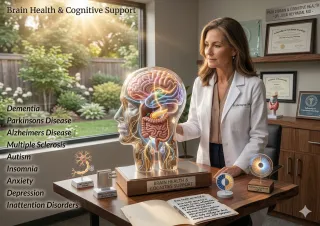
Brain health is closely connected to metabolic function, inflammation, gut health, and immune balance. A functional medicine approach explores how these interconnected systems may influence focus, memory, mood, and neurologic symptoms. Supporting brain health often involves a comprehensive, whole-body strategy rather than addressing neurologic concerns in isolation.
Dementia
Parkinsons Disease
Alzheimers Disease
Multiple Sclerosis
Autism
Insomnia
Anxiety
Depression
Inattention Disorders
Joint Pain & Musculoskeletal Wellness
Joint pain and stiffness can be influenced by inflammation, immune activity, metabolic health, and environmental exposures. A functional medicine approach evaluates these contributing factors to better understand why pain persists and how to support mobility, comfort, and function as part of a comprehensive wellness plan.

Tick-Borne Infections & Lyme Disease Support
Tick-borne infections, including Lyme disease and co-infections, can cause complex, multi-system symptoms that often overlap with other chronic conditions. These infections may affect the immune system, nervous system, joints, and overall energy levels, making early recognition and comprehensive evaluation critical.
At Path 2 Health and Wellness, led by Dr. Julie Heyrman, MD, an LLMD. Care begins with a detailed functional assessment, including symptom history, exposure risk evaluation, and targeted laboratory testing when clinically indicated. Functional medicine strategies focus on addressing immune dysregulation, inflammation, and the underlying contributors that may perpetuate symptoms. Treatment plans are individualized and may integrate supportive therapies to promote recovery, resilience, and overall wellness.
Conditions and co-infections commonly assessed include:
Lyme disease and Co-infections


“I finally felt heard and supported in my care.”
Working with Dr. Heyrman was a completely different experience than traditional medical visits. She took the time to understand my full health history, explained things clearly, and partnered with me to create a thoughtful, personalized plan. I never felt rushed, and for the first time in years, I felt confident that my concerns were being taken seriously.
- M.S.
affiliations






©Path 2 Health and Wellness SC 2026